
Bench Warrants in Union County
Any Union County warrant lookup should end with a phone call or a visit to the office holding the case. That office is the only one that can confirm what an online page cannot. The clerk can pull the file and read back the case number, the current process label, the date that matters, and whatever step the court expects next. Write all of it down. A public site has real limits in Union County, too. Sealed files, restricted cases, juvenile matters, and anything entered only recently may never appear online. So a search that comes back empty does not settle the question of an active bench warrant. The court record does.
How a Union County Bench Warrant Is Issued
The official MEC court screen publishes court information and defined docket flags.
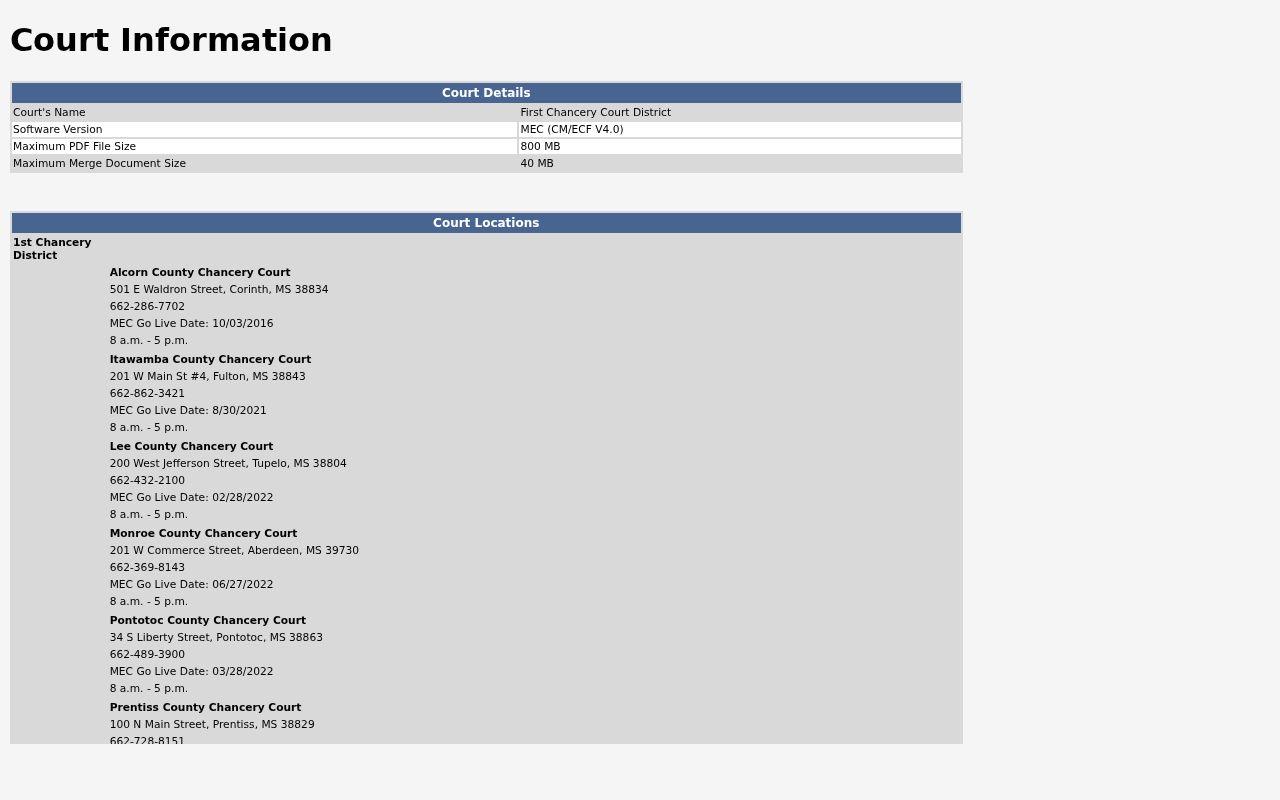
Labels matter when you ask about a Union County bench warrant. A warrant can sit in one of several states, and the difference between issued, returned, and pending tells you whether it is still live. A clerk can look at the docket and explain which label fits your case right now, since status can change after a hearing or a payment you did not know about. Whatever the answer, get the case number, the current process label, the relevant date, and the next action the court requires. Online Union County warrant records carry another catch. Sealed, restricted, juvenile, and recently entered information may be left off public pages entirely, so an empty result is not the last word on an active warrant.
Bench Warrant vs Arrest Warrant
A bench warrant and an arrest warrant both put a person in cuffs, but they start differently in Union County. A judge issues a bench warrant when someone misses a court date or ignores an order. An arrest warrant comes from a finding of probable cause. Either way, the clerk holding the case can confirm the case number, the current process label, the date, and the next step. Public pages may omit sealed or recent matters, so a no-match search settles nothing.
| Feature | Bench Warrant | Arrest Warrant |
|---|---|---|
| Trigger | missed court date / FTA / contempt | probable cause of an offense |
| Who Issues It | the judge from the bench | a judge or magistrate on affidavit |
| Underlying Case | an existing case the person skipped | a new or charged offense |
| How It Clears | appear / recall / quash | surrender / bond / court appearance |
How to Resolve a Bench Warrant
Resolving a Union County bench warrant starts with the office that issued it, not with a website. Call the clerk, give the name, and ask for the case number, the current process label, the key date, and what the court wants next. Then do that step, whether it is appearing, paying, or asking the judge to recall the warrant. Remember that public Union County pages can omit sealed, restricted, juvenile, or recent entries, so a clean search is never final confirmation.
- Contact the responsible court or law-enforcement office, provide the available case identifiers, and ask for current written status.
- Contact the responsible court or law-enforcement office, provide the available case identifiers, and ask for current written status.
- Contact the responsible court or law-enforcement office, provide the available case identifiers, and ask for current written status.
- Contact the responsible court or law-enforcement office, provide the available case identifiers, and ask for current written status.
Caution: Speak with an attorney before appearing because the court, not a payment page, controls whether a warrant is recalled.
Which Union County Court Issued It
Before anything else, figure out which Union County court put the warrant out, because that court controls it. The clerk of that court is the person to call. Ask for the case number, the current process label, the relevant date, and the next required action, and keep those notes for any later call. If the case sits in a different division than you expected, the clerk can usually point you to the right one. One caution about doing this online: Union County public pages can leave out sealed, restricted, juvenile, or just-entered information. A bench warrant search that finds nothing is not proof that no warrant exists. Only the issuing court can say for sure.